2026-08-18 · Brian Tree
How to Spot Missing Tiles After Autumn Storms in Essex
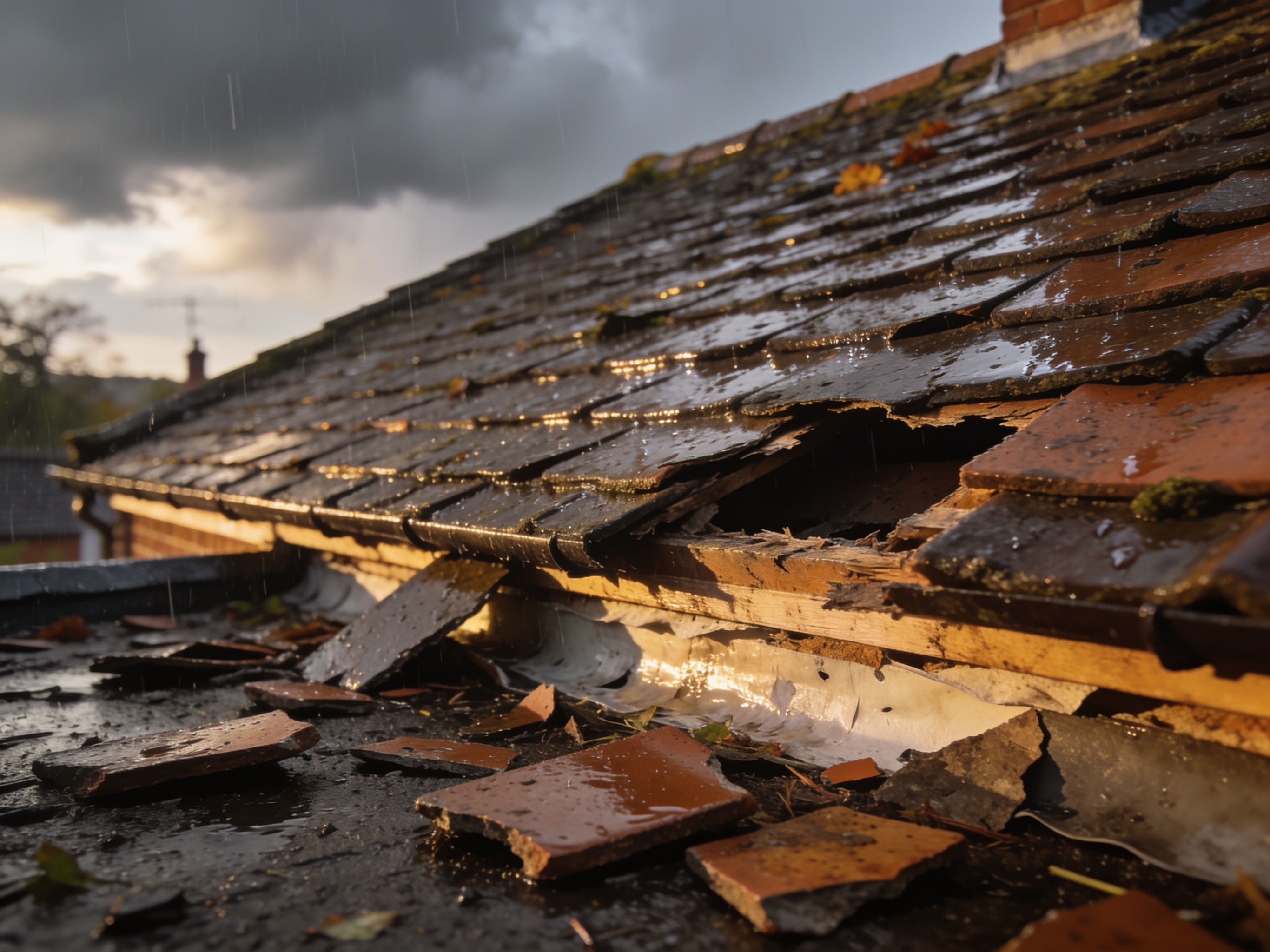
After autumn storms in Essex, start your check from the ground by scanning south and west facing slopes for sudden gaps in the tile rows, especially where wind gusts hit hardest on homes built before 1950.
Inspecting from the Ground Safely
Walk around the property at a distance of 10–15 metres on a clear day and look for irregular dark patches where tiles should sit flush. In Essex towns such as Chelmsford and Witham, many Victorian terraces have steep pitches that channel wind under the eaves, lifting plain tiles first. Note any ridges that now show daylight between courses or areas where the roof line appears jagged compared with neighbouring properties. Binoculars help confirm whether a tile has slipped down the slope or vanished entirely. Avoid ladders unless you have proper fall protection, and never climb onto wet or moss-covered surfaces common after October rain. Record the locations of any suspect spots with photos taken at the same time each day so changes become obvious over the following week.
Common Signs of Missing Tiles on Older Essex Roofs
Look for daylight visible through the roof when viewed from inside the loft, particularly around the rafters above bedrooms in 1930s semis found in Colchester and Braintree. Water stains on ceiling plaster or insulation often appear within days of a storm if tiles are absent, starting as faint brown lines along the nail lines. On the exterior, check for displaced ridge tiles or mortar that has crumbled away, leaving the ridge exposed on homes in Halstead and Coggeshall. Gutters may also contain fragments of clay or concrete tiles after high winds, a clear indicator that sections higher up have been damaged. In areas with clay soil like parts of Maldon, slight house movement after heavy rain can widen existing gaps and make missing tiles easier to spot from below.
Why Autumn Storms Affect Tiles in the Essex Region
Essex receives frequent south-westerly gales between September and November that drive rain under tile laps on roofs aged 40–80 years. Properties in exposed spots near the coast at Southend-on-Sea or inland ridges around Great Dunmow lose tiles more often because the wind accelerates across open farmland. Older homes with single-lap concrete tiles installed in the 1960s and 1970s suffer most, as the original fixing nails corrode and the tiles sit higher than modern interlocking designs. Heavy leaf fall from mature oaks and chestnuts in Brentwood and Billericay blocks valley gutters, allowing water to back up and push tiles upward during the next storm. These seasonal patterns mean homeowners in Chelmsford and surrounding villages should inspect roofs twice each autumn rather than waiting for visible leaks.
Next Steps When Missing Tiles Are Found
Photograph the affected area and contact a local roofer for an assessment before further weather arrives. Roof Repairs In Essex can often replace individual tiles without full replacement if the underfelt remains intact. For urgent cases where rain is forecast within 48 hours, Emergency Roof Repairs In Essex teams carry stock of common tile profiles used across the county. If the damage extends to several slopes, compare the cost of spot repairs against a full roof assessment. Homeowners in Chelmsford often find that addressing missing tiles promptly prevents the need for larger work later in winter.
Preventing Further Issues This Season
Clear leaves from gutters and valleys promptly to reduce water pressure on remaining tiles, following guidance in Clearing Blocked Gutters on Older Essex Homes Before Winter. Check mortar fillets at abutments and chimneys for cracks that allow wind-driven rain to reach the roof deck. On homes in Rayleigh and Wickford, fitting additional clips to the bottom three courses of tiles adds resistance against future gales without altering the roof appearance. Schedule any repairs during Briantree Roofing business hours, Monday to Friday 8am–6pm or Saturday 9am–2pm, so materials can be ordered before the next front moves in from the Atlantic.