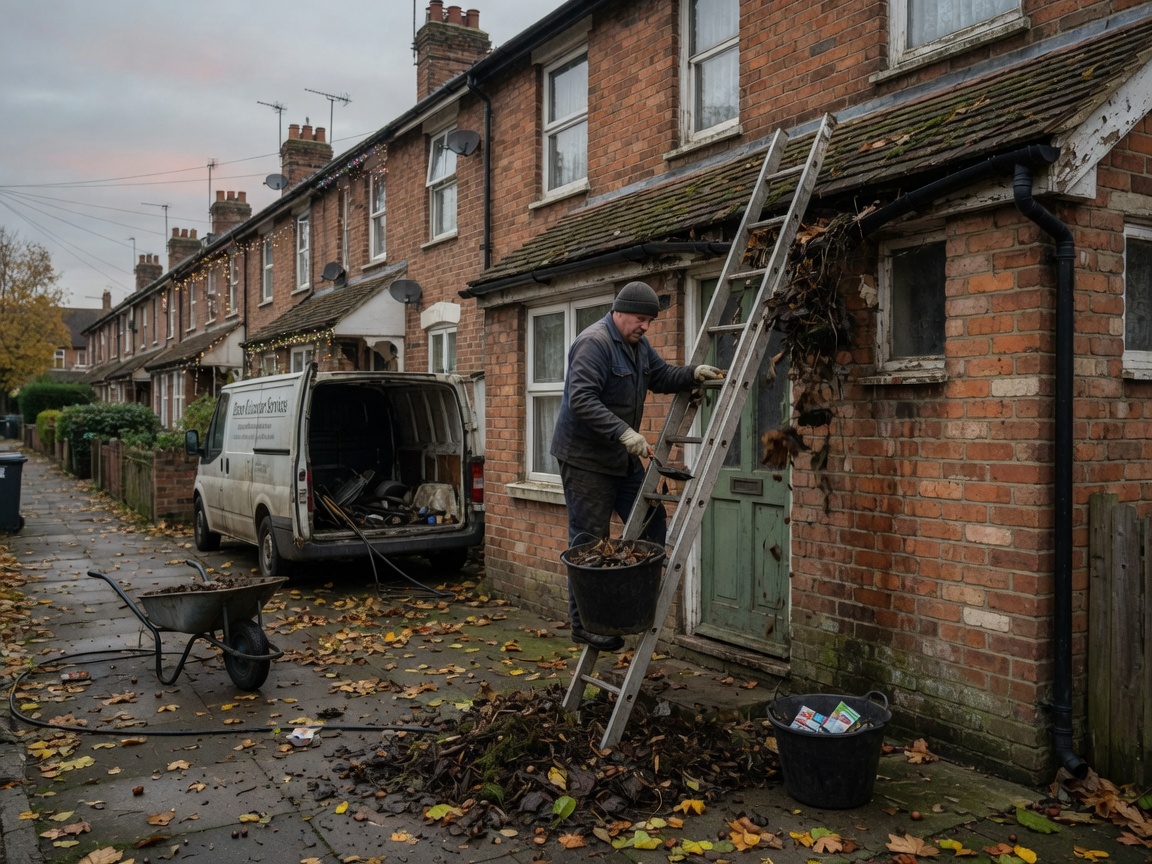
Briantree Roofing works regularly in Coggeshall, where many properties date back to the fifteenth and sixteenth centuries with timber frames and steep pitches that demand precise slate or tile work. Crews know the tight access along East Street and West Street, where scaffolding must be adapted to avoid blocking narrow historic routes while still reaching roof ridges safely.
Winter rain in the Essex countryside often drives water under older ridge tiles on homes near the River Blackwater, so Briantree Roofing checks flashings and underlayment on every visit. The same crews handle summer heat expansion on concrete tiles common to post-war houses around Kelvedon Road, replacing only what is needed rather than pushing full replacements.
Homeowners on Market Hill and Bridge Street call Briantree Roofing when moss builds up on north-facing slopes or when chimney stacks shift after heavy storms. The team arrives with ladders sized for two-storey cottages and leaves the site clear each day, respecting the village layout that makes large equipment impractical.
Around Coggeshall
We regularly work near:
- 📍Paycocke's House
- 📍Coggeshall Abbey
- 📍St Peter ad Vincula Church
- 📍Market Hill
- 📍East Street
- 📍Bridge Street
Briantree Roofing in Coggeshall — Local Notes
- •Timber-framed cottages along East Street and West Street often have uneven rafters that require custom cutting rather than standard truss work.
- •Narrow lanes limit lorry access, so materials are staged at the edge of the village and carried in by hand or small trailer.
- •Frequent winter rain funnels along the Blackwater valley, increasing the need for upgraded lead flashings around chimneys on older roofs.
- •Steep pitches on medieval buildings mean extra safety lines and different tile clips than those used on newer estates near Kelvedon Road.